
Agriculture
Cash Crops of Nepal: The Main Crops That Drive Farm Income
Tea, coffee, cardamom, ginger and sugarcane earn cash for Nepali farmers. Here is where each crop grows and what it means for household income.
Read articleTopic
Crops, farming systems and food production across the hills, mountains and plains of Nepal.
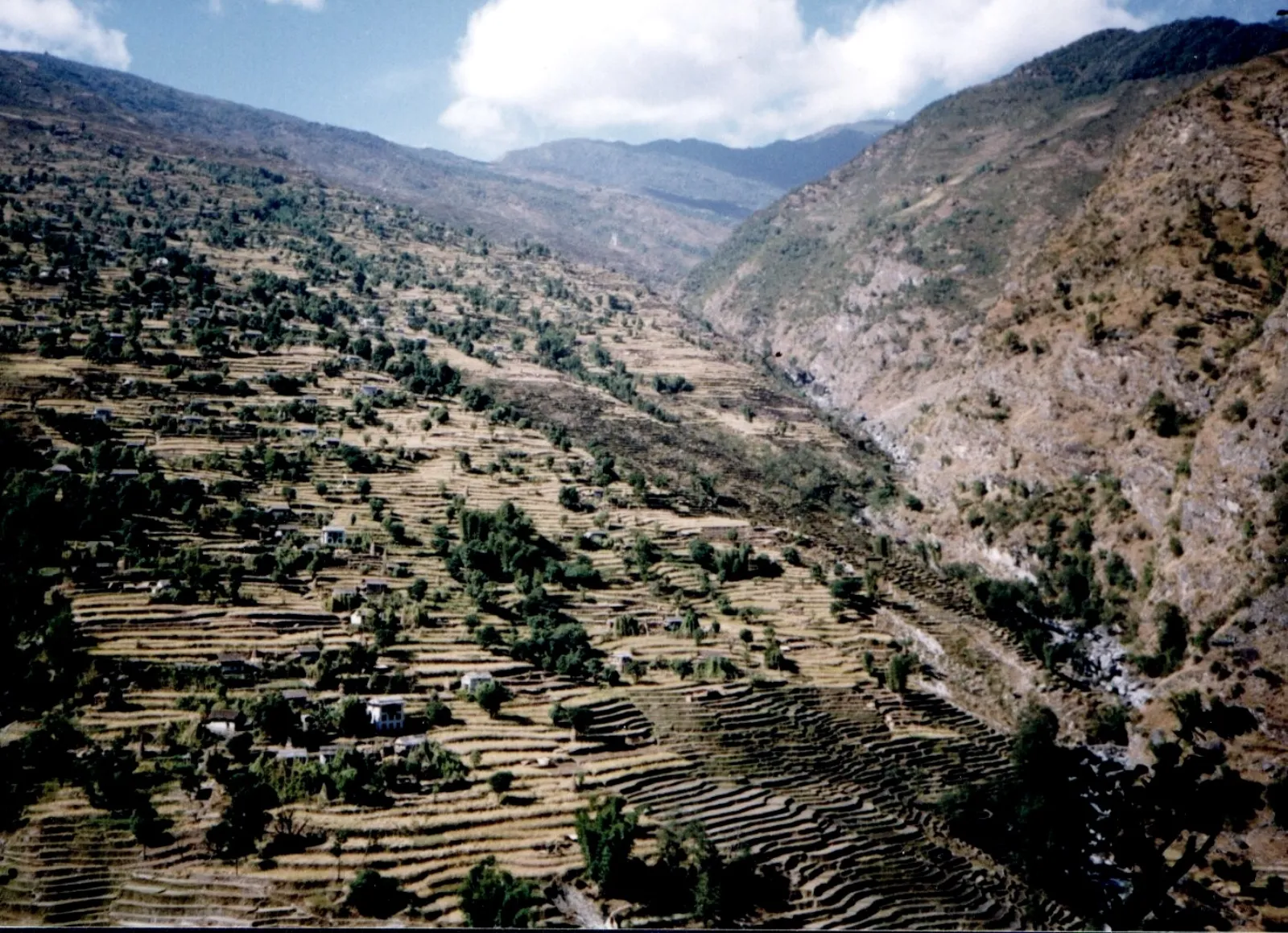
Nepal's agriculture is shaped less by policy than by altitude. Within a few hours of driving you move from the flat Terai plains, where tractors and tube wells are normal, to hillside terraces cut by hand, and then to high valleys where barley and buckwheat are the only reliable crops. That variety is why national averages say little: a farmer in Jhapa, a farmer in Gulmi and a farmer in Humla are running three different businesses.
Around two-thirds of Nepali households earn part of their living from farming, but most farms are small. Typical holdings are well under a hectare, often split into several plots across a slope. Because of that, household income usually depends on three things at once: the main crop, a cash crop such as tea, cardamom or ginger, and money sent home by a family member working abroad.
Terai and inner Terai. Warm, low and comparatively flat. Paddy rice is the main monsoon crop, followed by wheat, mustard or lentils in winter. Sugarcane, jute and maize also appear, and this is where most irrigation, cold storage and market access exist.
Mid-hills. The classic terraced landscape. Maize is planted on higher, rain-fed fields, while paddy is grown in valley bottoms. Millet, potato, citrus, apple at higher elevations, and vegetables for nearby towns are common. Terraces slow runoff, but they also make mechanisation difficult.
High mountains. Short growing seasons, snow and steep ground. Barley, buckwheat, potato and some pasture-based livestock, including yak and chauri, dominate. Trade and tourism often matter more to household income than crops.
| Season | Typical months | What is usually planted or harvested |
|---|---|---|
| Barkhe (spring) | Feb–Apr | Early paddy in river valleys, some maize, vegetables |
| Monsoon | Jun–Sep | Main paddy transplanting, maize, millet in the hills |
| Autumn | Sep–Nov | Paddy harvest, then wheat, mustard and lentil sowing |
| Winter | Dec–Feb | Wheat and winter vegetables; land left fallow at altitude |
Start with cash crops of Nepal if you want to understand farm income, or with the list of food crops if you need the everyday picture. For the pressures farmers describe themselves, see problems of agriculture in Nepal.
Paddy rice is the single most important crop by area and by diet, grown mainly in the Terai and in hill valley bottoms during the monsoon.
In good monsoon years the country produces most of its staple grain, but the Terai–hills balance swings widely and some districts depend on imports even in average years.
Tea, coffee, large cardamom, ginger, sugarcane and off-season vegetables are the best-known cash crops, alongside livestock products.
Because the household labour that used to farm them has moved abroad or into cities, and terraced land is hard to work with machinery.
In the Terai and inner Terai plains, where tube wells and canals are practical, rather than on rain-fed hill terraces.
Every guide we have published in this topic area, newest first.
Agriculture
Tea, coffee, cardamom, ginger and sugarcane earn cash for Nepali farmers. Here is where each crop grows and what it means for household income.
Read articleAgriculture
Cereals, pulses, oilseeds, tubers, vegetables and fruits: a practical guide to the food crops grown and eaten across Nepal.
Read articleAgriculture
From fragmented land and monsoon dependence to labour migration and post-harvest losses, these are the main problems holding back Nepali farming.
Read articleContinue browsing the rest of the site.