
Agriculture
Cash Crops of Nepal: The Main Crops That Drive Farm Income
Nepali farming is often described as subsistence agriculture, but a large share of rural households also grow crops specifically to sell. These are the cash crops of Nepal: the ones that turn a field into income.
What makes a crop a cash crop?
A cash crop is grown mainly to be sold rather than eaten by the farming family. In Nepal the line is not always sharp. A household may sell part of its paddy harvest and keep the rest for the year, or grow maize for the family and vegetables for the market on the same terrace. What matters is that the crop is produced for the market: it is weighed, graded, packed and carried to a trader, a cooperative collection centre or a roadside buyer.
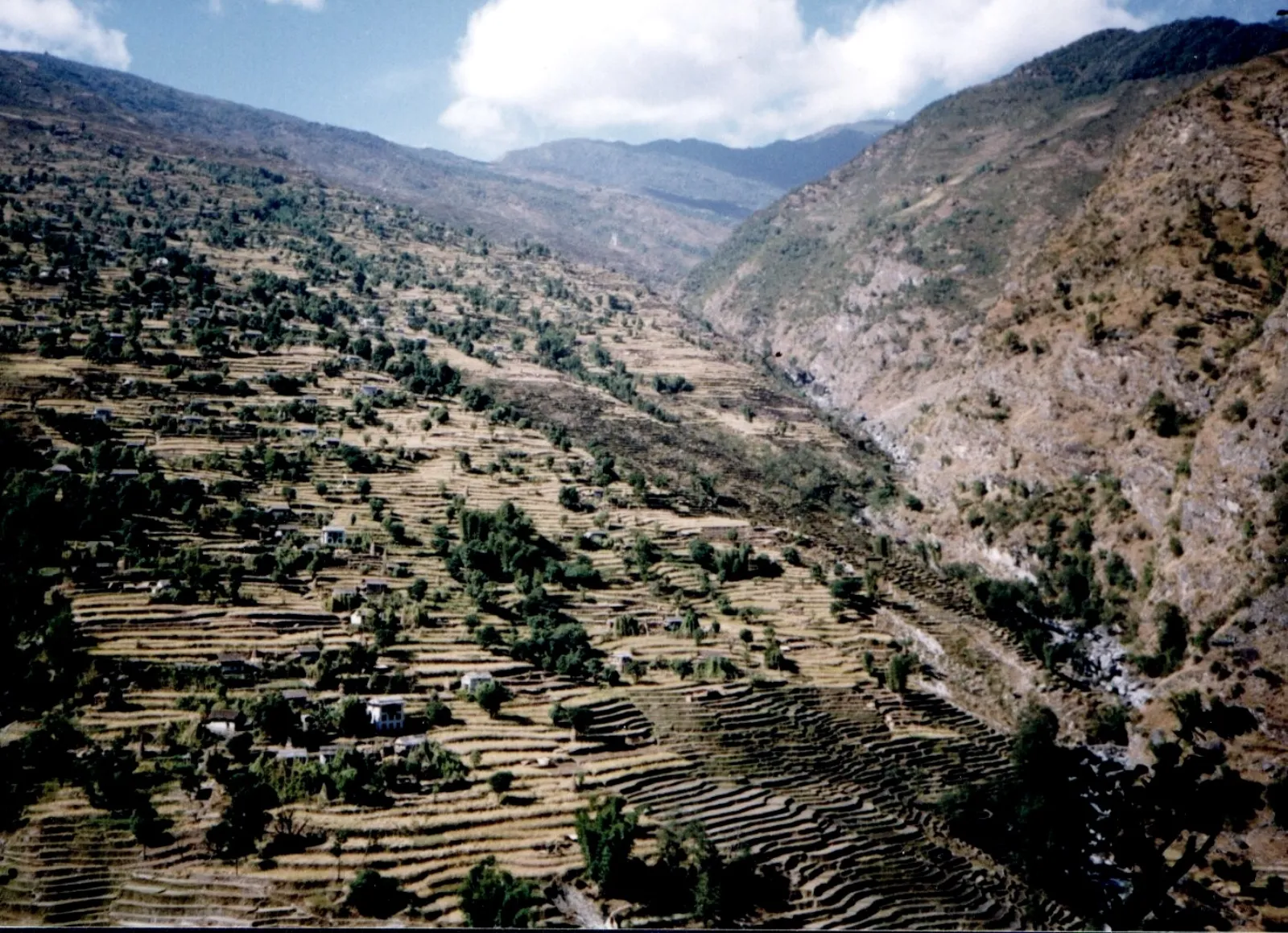
Cash cropping in Nepal is spread across three very different farming belts. The Tarai plains produce sugarcane, jute, oilseeds and large volumes of vegetables. The mid-hills grow tea, coffee, citrus, ginger and cardamom on terraced slopes. The high mountains of the north support apples, walnuts and medicinal herbs. Government policy, road access, irrigation and the price offered by traders all shape which of these crops a family chooses to plant.
Tea: the hills of the east
Tea is Nepal’s best-known hillside cash crop. The industry began in the Ilam district of eastern Nepal and remains concentrated there, with gardens also found in Panchthar, Dhankuta and adjacent districts. Nepal produces orthodox black tea and green tea, and a smaller quantity of specialty and organic tea.
Coffee, cardamom and ginger
Nepali coffee is grown mostly in the mid-hills, with Gulmi, Palpa, Lalitpur, Kavre and neighbouring districts among the better-known areas. Production is small compared with global exporters, but Nepali coffee has built a reputation for organic, shade-grown beans, and cooperatives have helped farmers process and market their crop.
Large cardamom is another important hillside crop, particularly in the eastern hills. Nepal has long been one of the world’s leading producers of large cardamom, a spice used in food and traditional medicine. Prices are volatile and depend heavily on demand from India and other buyers, so cardamom income can swing sharply from year to year.
Ginger is grown widely, including in the eastern hills and mid-western districts. It is a relatively fast crop that can be harvested within a year, which makes it attractive to farmers who cannot wait for tea or fruit trees. Nepal is among the larger ginger producers in the world, and fresh ginger is both consumed locally and exported.
Plains crops: sugarcane, jute and oilseeds
In the Tarai, cash cropping is dominated by sugarcane, jute, oilseeds such as mustard, and increasingly by vegetables grown for urban markets. Sugarcane is tied to the sugar mills: growers usually deliver to a mill within trucking distance, and the price paid for cane is a perennial topic of negotiation between farmers and millers.
Jute, once a major export earner, still grows in parts of the eastern Tarai, while mustard and other oilseeds supply household oil presses and the edible-oil industry. Vegetables, potatoes and spices have expanded fastest of all, because nearby cities provide steady demand and quick payment.
Why cash crops matter - and what holds them back
Cash crops can raise household income far above what cereals alone provide, and they create work in plucking, harvesting, grading and packing. They also carry risk. A farmer who switches from grain to cardamom or vegetables is exposed to price swings, disease, and the cost of inputs such as seed, fertiliser and transport.
Three constraints come up again and again. First, market access: a crop is only worth growing if a road, collection centre or buyer is within reach. Second, price information: farmers who do not know the prevailing rate depend on the trader in front of them. Third, labour: with many young people working abroad, harvesting a labour-intensive crop can be difficult for the households left behind.
Cooperatives, commodity-specific boards and improved collection infrastructure have helped address some of this, but the gap between a good harvest and a good income remains one of the central challenges of Nepali agriculture.
Frequently asked questions
What is the biggest cash crop in Nepal?
There is no single answer, because it depends on region. Tea and large cardamom dominate the eastern hills, ginger and coffee are important in the mid-hills, and sugarcane, jute and vegetables are the main market crops of the Tarai plains.
Why do cash crop prices change so much?
Nepali cash crops are often exported to a small number of buyers, particularly in India. When demand, border arrangements or harvest volumes change, farm-gate prices move quickly and can differ sharply from one season to the next.
This article is general information about Nepal. Requirements, dates and prices change - always confirm the current position with the relevant official source.