
Civic Awareness
Civic Awareness in Nepal: Rights, Duties and How to Take Part
Voting, ward offices, the right to information and public audits: practical civic knowledge for anyone living in Nepal.
Read articleTopic
Citizenship, voter education, public services and how citizens can take part.
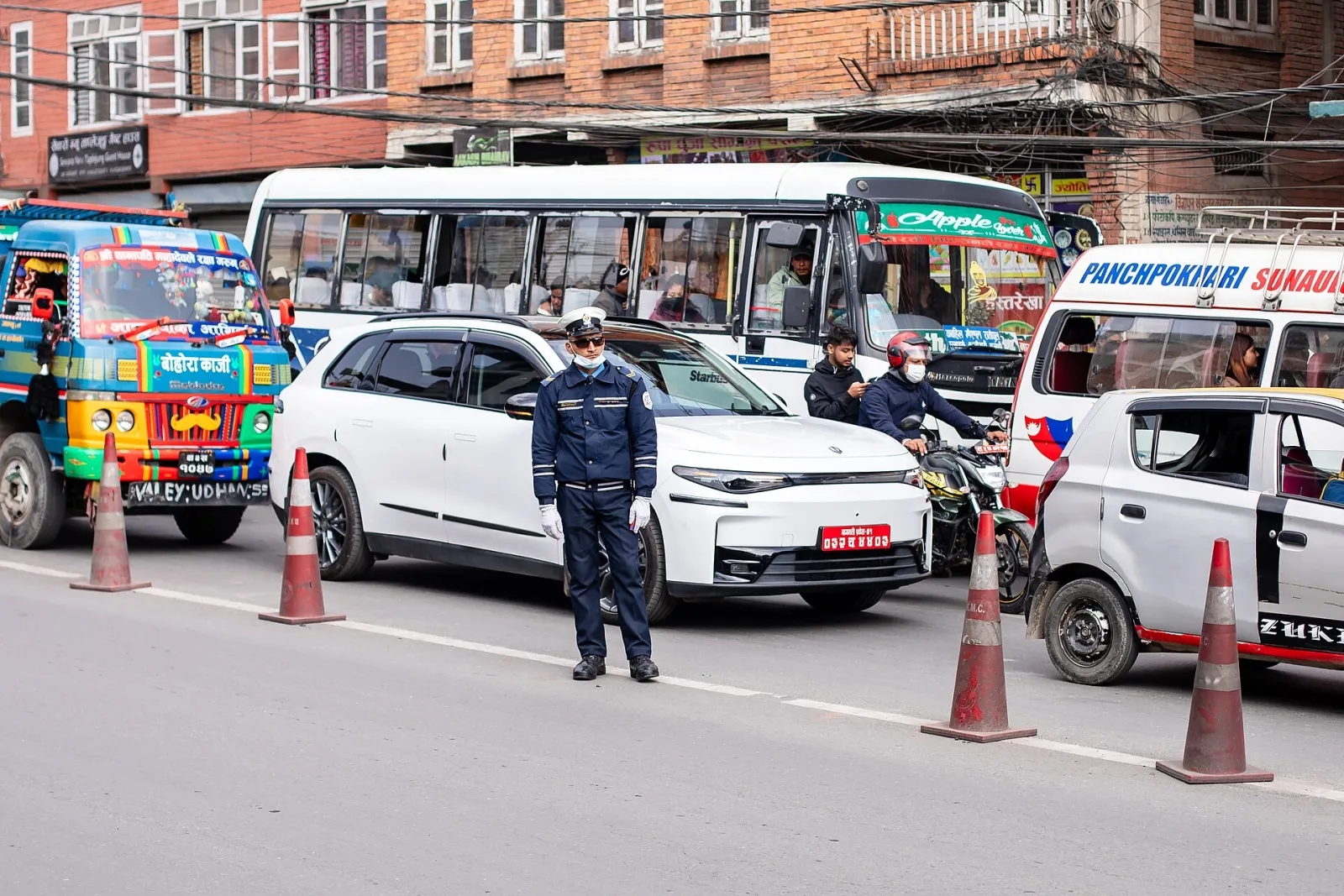
Civic awareness is less about knowing the constitution by heart than about knowing which office is responsible for what, and how to ask for it. In Nepal this matters more than it used to, because the 2015 constitution moved schools, health posts, local roads, water supply and much of the permit system down to 753 local units. The person who can help you is now often a ward office five minutes away, not a ministry in Kathmandu.
| Level | Typical responsibilities |
|---|---|
| Federal | Defence, foreign affairs, currency, national law, big infrastructure, universities |
| Provincial | Provincial roads, hospitals, secondary education support, agriculture extension |
| Local (753 units) | Basic and secondary schools, health posts, birth and death registration, local roads, waste, building permits |
Most everyday paperwork is handled at the ward or municipality office: birth and death registration, marriage registration, residence and relationship verification, recommendation letters, and applications for the social security allowance for elderly people, single women and people with disabilities. Citizenship certificates are issued through district administration in coordination with local offices. Health insurance enrolment is also handled locally.
See also civic awareness in Nepal and social problems.
Local services including birth registration, recommendations, local roads, waste collection and basic permits.
Through the district administration office, with verification handled in coordination with your local ward.
By written request under the right to information; the body must respond within the period set by law.
A monthly payment for eligible elderly people, single women and people with disabilities, applied for locally.
Because many services moved to provincial and local governments, so responsibility and accountability shifted closer to home.
Every guide we have published in this topic area, newest first.
Continue browsing the rest of the site.