
History
Major Political Instability in Nepal: Key Events Explained
From the 1990 People's Movement to the Maoist insurgency, the royal takeover and the transition to a federal republic: what happened and why.
Read articleTopic
Kingdoms, unification, political change and the events that shaped modern Nepal.
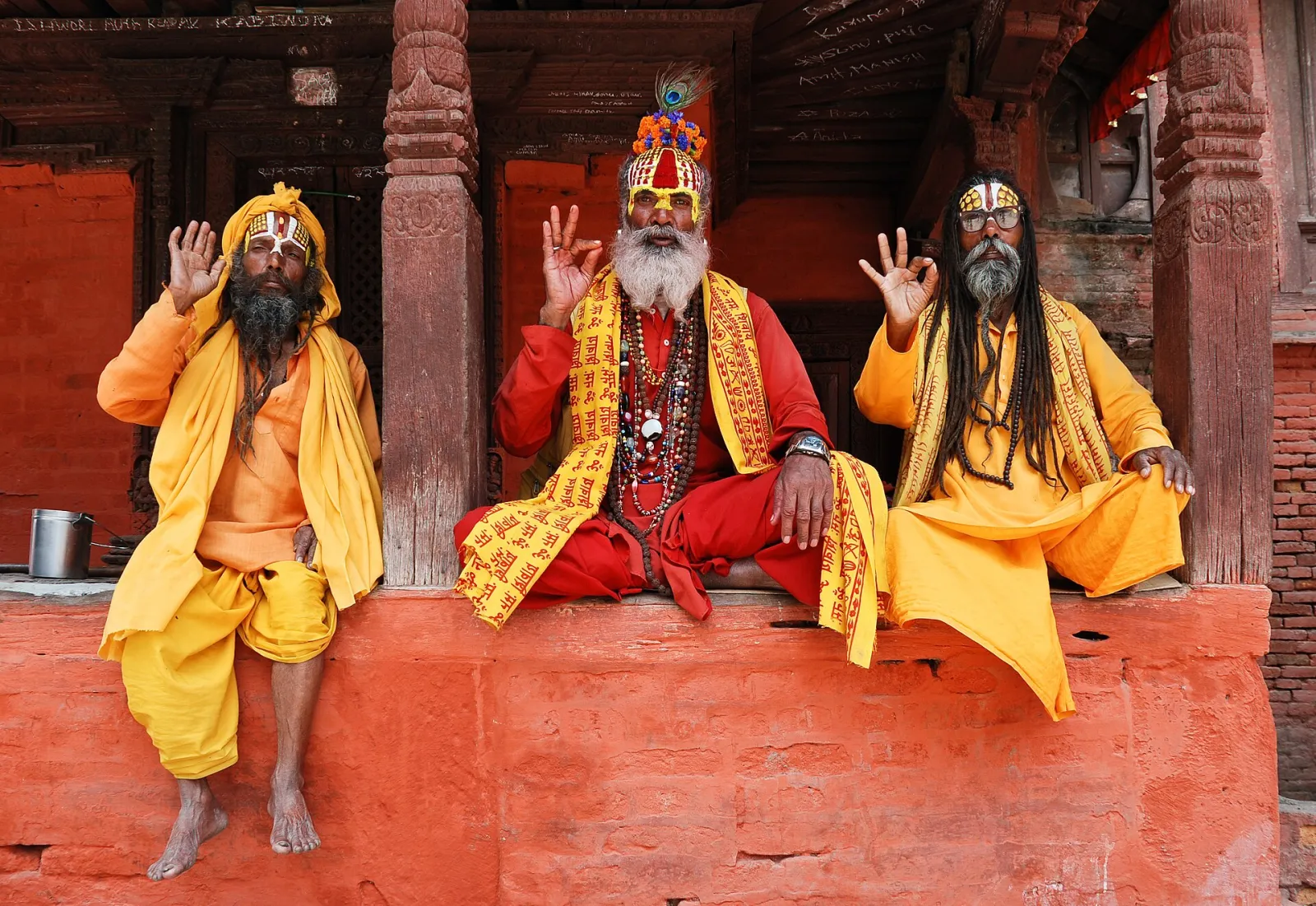
Nepali history is easiest to follow as a series of consolidations. Small kingdoms and confederations, including the Kirat and the Licchavi periods in the Kathmandu Valley, gave way to the Malla city-states. Those were absorbed in the eighteenth century by the Gorkha campaign of Prithvi Narayan Shah, which produced a unified state. A century of Rana rule followed, then a monarchy that alternated between reform and autocracy, and finally a republic.
The modern turning points are compressed into a short period: the 1990 movement that restored multiparty politics, the decade-long Maoist insurgency from 1996, the 2006 peace agreement, the abolition of the monarchy in 2008, and the federal constitution promulgated in 2015.
| Period | What changed |
|---|---|
| Ancient period | Kirat and Licchavi rule in the Kathmandu Valley; early settlements across the hills |
| Malla period | Competing city-states in Kathmandu, Patan and Bhaktapur; strong art and architecture |
| 1768–1769 | Prithvi Narayan Shah unifies the kingdoms into one Gorkha-led state |
| 1846–1951 | Rana autocracy; the prime ministership becomes hereditary, monarchy sidelined |
| 1951 | End of Rana rule; monarchy restored with multiparty politics |
| 1960–1990 | Panchayat system: parties banned, power centralised |
| 1990 | People's movement restores multiparty democracy and constitutional monarchy |
| 1996–2006 | Maoist insurgency; conflict ends with the 2006 peace agreement |
| 2008 | Monarchy abolished; Nepal becomes a federal democratic republic |
| 2015 | New constitution; country restructured into seven provinces |
Before federalism, districts reported directly to the centre. Afterwards, three tiers of government share responsibilities: federal ministries set policy, provinces handle provincial roads, hospitals and universities, and local units run schools, health posts and village infrastructure. For anyone studying public services, the practical effect is that the answer to "who is responsible?" now depends on the level of the service.
See also political instability in Nepal and the profiles of notable Nepali figures who shaped these periods.
Between 1768 and 1769, when Prithvi Narayan Shah's Gorkha campaign brought the Kathmandu Valley kingdoms under one state.
From 1846 to 1951, when hereditary Rana prime ministers held effective power alongside a figurehead monarchy.
In 2008, when the constituent assembly abolished the monarchy after the 2006 peace agreement.
Because federal boundaries and representation were disputed, particularly in the Terai, and protests followed in several districts.
The 2006 Comprehensive Peace Agreement, which brought the insurgents into mainstream politics.
Every guide we have published in this topic area, newest first.
Continue browsing the rest of the site.